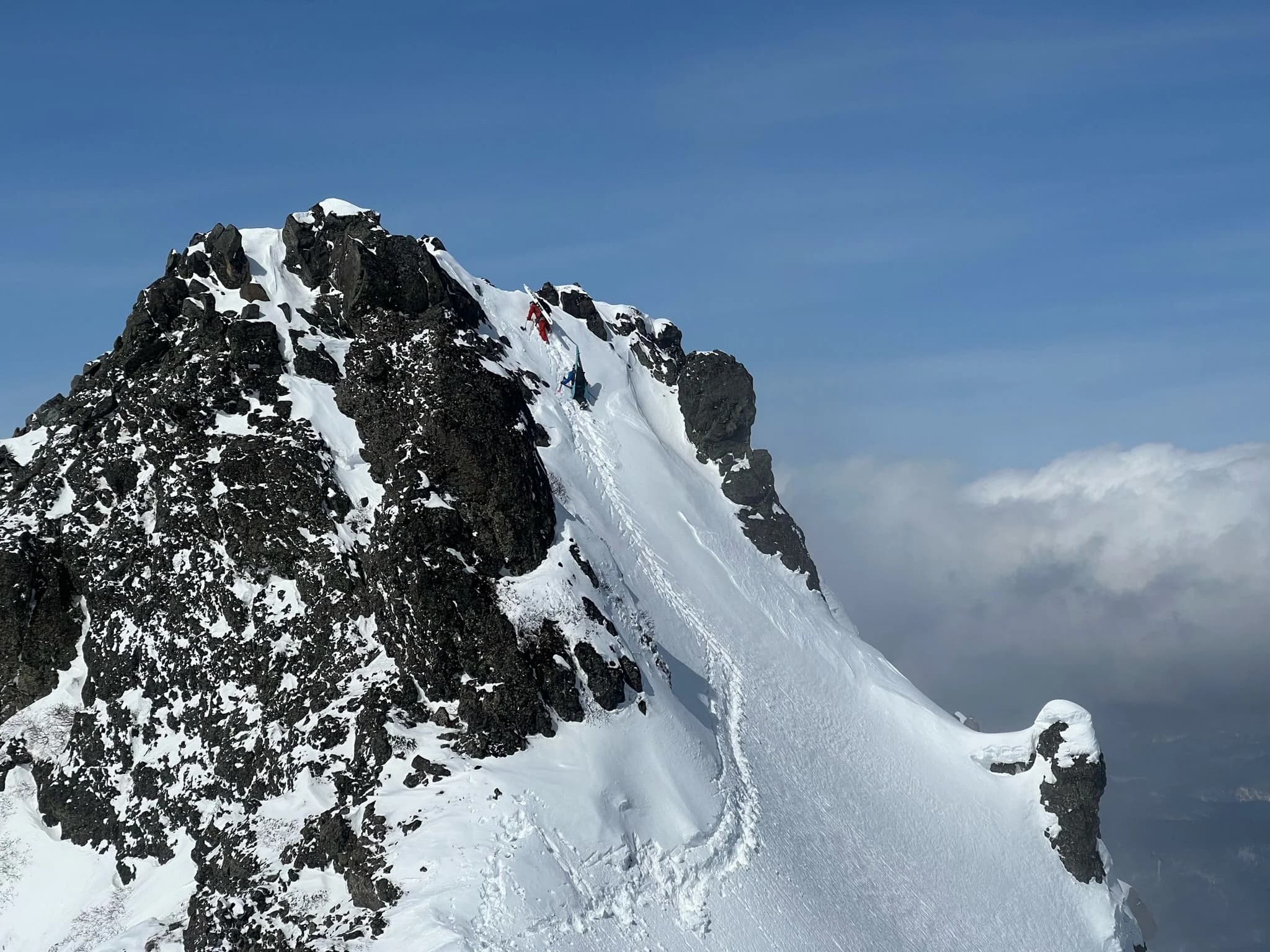
Central Hokkaido Backcountry Skiing Zones
Central Hokkaido backcountry skiing zones: Furano, Asahidake, Tokachidake, Daisetsuzan, Tomamu, Sahoro and beyond. A base that keeps your options open for backcountry skiing in Central Hokkaido.
We guide backcountry skiing throughout Central Hokkaido, using our local knowledge to choose zones based on conditions, not just what's famous. This is where you go when you want the real Hokkaido backcountry skiing experience.
Why Central Hokkaido for Backcountry Skiing
Most people only hear "Hokkaido = Niseko." Central Hokkaido is different: more spread, more choice, more quiet. Central Hokkaido backcountry skiing means fewer skin track lines, more space to actually move, and terrain that doesn't see the same pressure.
We guide here because it's where we live, and it's where the real backcountry skiing experience happens. The flexibility to move between zones based on conditions is what makes Central Hokkaido backcountry skiing special.
Major Backcountry Skiing Zones
Asahidake
Hokkaido's highest peak (2,291 m) in Daisetsuzan National Park. A ropeway provides access to alpine terrain, but beyond the top station it's all unpatrolled backcountry. Features alpine bowls, steep faces around volcanic fumaroles, and gladed lower slopes. The powder is legendary: waist-deep and ultra-light. Weather can be fierce in mid-winter, but clear days offer spectacular summit tours. Best for advanced backcountry skiers comfortable with variable conditions and avalanche terrain.
Tokachidake
A legendary backcountry area in the southern Daisetsuzan range with no lifts. You earn every turn. Mount Tokachi (2,077 m) is an active volcano surrounded by sub-peaks offering everything from mellow bowls to steep chutes. The area faces mostly north, keeping powder in excellent condition longer. Access is via Tokachidake Onsen, about an hour from Furano. Requires multiple hours of skinning per run. Ideal for advanced to expert backcountry skiers who are fit and experienced in deep powder and alpine conditions.
Furano-dake
The southernmost high peak (1,912 m) of the Daisetsuzan range, offering excellent tree skiing and more protected terrain. The "Giant Ridge" route provides relatively safe, moderate-angle skiing with well-spaced trees. A good option for stormy days when higher peaks are socked in. Suitable for intermediate to advanced backcountry skiers, more forgiving than the bigger peaks while still delivering Central Hokkaido's signature powder quality.
Tomamu Area
Ridgelines and peaks just outside Tomamu Resort offer untouched bowls and old-growth forests. Karifuri-dake (1,323 m) is a standout objective with deep powder on protected eastern slopes. Can accommodate a range of abilities with proper guidance. The resort also offers cat-skiing and heli-skiing options for those who want lift-assisted access to backcountry powder.
Sahoro
An underrated area with excellent tree skiing and a tournable summit. The resort keeps half its runs ungroomed, and the ridge above offers backcountry touring opportunities. Often has better weather when nearby areas are stormed in. Suitable for intermediate to advanced skiers, with straightforward ridge tours that make it a good introduction to backcountry touring in Central Hokkaido.
Eastern Daisetsuzan & Local Gems
For ultimate remoteness, the eastern side of Daisetsuzan National Park offers big alpine bowls and long tree runs with virtually no infrastructure. Areas around Kamishihoro and Nukabira Onsen see even fewer skiers. These zones require expert-level skills, self-sufficiency, and navigation ability. Best experienced with a guide who knows the area, as access can be complex and hazards are numerous.
Conditions and access change daily. A guide assesses weather, snow stability, and terrain hazards in real time, choosing the right zone for the day. This local knowledge ensures you're skiing the best available conditions safely, rather than forcing a plan that doesn't match current reality.
Snow & Conditions
Central Hokkaido receives massive snowfall, often 12–15 meters annually in the high basins. The dry continental climate produces ultra-light, dry powder that's among the best in the world. Mid-winter (January–February) brings the deepest snow and most consistent powder, though it also means frequent storms, high winds, and low visibility in the alpine. March offers a sweet spot: deep snowpack with more stable weather and occasional bluebird days.
Avalanche conditions require constant assessment. Wind-loading, persistent weak layers, and the area's complex terrain mean careful route selection is essential. There's no ski patrol in the backcountry. Carrying beacon, shovel, and probe, and knowing how to use them, is mandatory.
Why Central Hokkaido vs. Niseko
Central Hokkaido offers what Niseko doesn't: solitude. In Niseko, backcountry gates see lines of skiers and popular runs get tracked within minutes. Here, you're more likely to encounter a deer or fox than another ski party. The remoteness and lack of crowds are a huge draw for those seeking an authentic powder experience away from the masses.
These are wild mountains with no on-mountain rescue services. Weather can be harsh, terrain is uncontrolled, and avalanche risk is ever-present. Hiring a qualified guide is highly recommended, especially for first-time visitors. A local guide knows which roads are open, where skin tracks start, recent snow stability, and the best stashes for any given day.
Backcountry Skiing in Central Hokkaido
Central Hokkaido offers exceptional backcountry skiing with the flexibility to incorporate lift access and sidecountry when it makes sense. We guide experienced skiers who want to explore volcanic terrain, alpine zones, and tree lines, whether through human-powered touring, lift-accessed sidecountry, or a combination of both.
Whether you're looking for full-day trips or multi-day backcountry ski trips in Hokkaido, Central Hokkaido offers the flexibility and terrain variety to make it work. We choose the approach that matches conditions and what you want to experience.
Ready to plan your Central Hokkaido backcountry skiing trip?